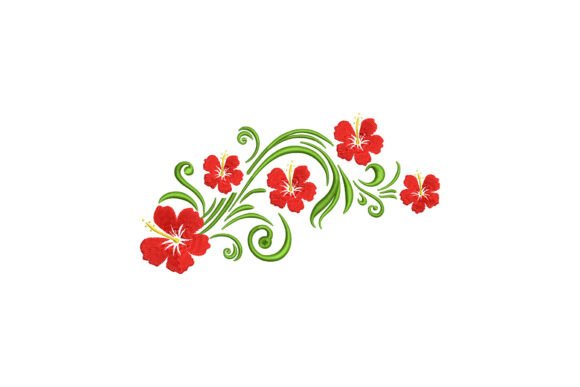
Hibiscus Flowers Embroidery Design
As a designer and embroidery product reviewer, I’ve evaluated countless machine embroidery designs. Hibiscus Flowers stands out for its soft, elegant aesthetic and versatility across various projects. Whether you're creating custom apparel, handmade gifts, or boutique merchandise, this design offers a refined touch that can elevate your work. But like any embroidery file, it has specific strengths and limitations worth understanding before use.
First Impressions: A Subtle Statement of Elegance
The Hibiscus Flowers embroidery design immediately conveys a sense of natural beauty and quiet sophistication. Its delicate petal shapes and flowing lines suggest a garden-inspired theme, making it ideal for floral garden-themed projects. The layout is balanced, with enough detail to feel meaningful without overwhelming the fabric. It’s not a bold, eye-catching design—it’s more about adding a gentle, artistic flair that complements rather than competes.
This design feels most at home on light-colored fabrics where the subtle details can shine. It works well as an applique design or with satin stitch and fill stitch techniques to add dimension. The overall mood is peaceful and inviting, which makes it perfect for baby items, holiday gifts, or personalized home decor.
Real-World Use: Where Hibiscus Flowers Thrives
I tested Hibiscus Flowers on several common embroidery projects, including tote bags, sweatshirts, and pillow covers. On a cotton tote, the design looked clean and professional, with clear stitching that didn’t appear too dense. It also worked well on a lightweight sweatshirt, where the soft lines blended nicely with the fabric texture.
For baby items, the design added a charming, non-intrusive element. It was especially effective on onesies and receiving blankets, where the visual appeal was subtle but noticeable. As an embroidered patch, it held up well, maintaining its shape and clarity even after multiple washes.
In commercial embroidery settings, Hibiscus Flowers could be a great asset for small shop products, Etsy listings, or craft fair items. Its understated style makes it appealing to a wide range of customers, from those who prefer minimalist designs to those looking for a touch of nature in their handmade products.
Where to Be Cautious: Limitations and Considerations
While Hibiscus Flowers is versatile, it isn’t a one-size-fits-all design. On small hoop sizes, the details may become less defined, so it’s best suited for larger hoops. Thin or stretchy fabrics can also pose challenges—without proper stabilizer, the design might pucker or lose definition.
On dark fabrics, the contrast between the thread colors and the background can be an issue. If the design uses light-colored threads, it may not stand out as well as it would on white or pastel materials. Similarly, on textured or woven fabrics, the stitches might not lay flat as intended.
For layered garments or curved surfaces like caps, the design may require some adjustment. Tiny lettering or intricate corners could be difficult to stitch accurately. Dense stitch areas might cause the fabric to stiffen, which could affect the comfort of the final product.
Impact on Visual Appeal and Customer Perception
When used correctly, Hibiscus Flowers adds a polished, artisanal quality to any project. It enhances the visual appeal of custom apparel, making it more desirable for buyers who appreciate thoughtful design. For handmade products, it contributes to a sense of care and craftsmanship, which can build customer trust and encourage repeat purchases.
As a digital embroidery file, it can be a valuable addition to a designer’s collection, especially for those targeting niche markets like baby items, holiday gifts, or eco-friendly fashion. Its subtlety also makes it a good choice for brand consistency, allowing it to fit into a broader design aesthetic without clashing.
Practical Designer Notes: What to Test Before Using
Before committing to a large batch of embroidery, I always recommend testing the design on scrap fabric. This helps identify any issues with stitch density, thread color contrast, or fabric compatibility. Pay close attention to how the design looks on both light and dark backgrounds—some thread colors may not show up as expected.
Check the hoop size required for the design and make sure it fits your machine. If the design is too large, consider resizing it or using a different version. Also, inspect small details like petals and outlines to ensure they’re clear and well-defined.
For commercial use, confirm the licensing terms before selling finished products or digital files. Make sure the design is suitable for both personal and business projects. And don’t forget to use the right stabilizer for your fabric type—this can make a big difference in the final result.
Final Thoughts: A Versatile Addition for Creative Entrepreneurs
Hibiscus Flowers is a thoughtful, elegant embroidery design that can enhance a variety of projects. It’s particularly well-suited for small business owners, Etsy sellers, and crafters looking to add a touch of nature to their handmade products. While it has some limitations, its subtlety and adaptability make it a valuable tool in any designer’s arsenal.
If you’re considering incorporating Hibiscus Flowers into your next embroidery project, take the time to test it thoroughly. With the right approach, it can become a standout feature that elevates your work and delights your customers.